
One By One - A Project-Based
501(c)(3) Nonprofit

Our Current Project
Funding Goal = $4,500
The Youth Information Center (YIC) has been an active and respected non-governmental organization based in Humenné, Slovakia, since 1992. They support development teams across 60 municipalities in implementing small projects. In this initiative, One By One will assist YIC in the Roma municipalities of Ďurkov, Laškovce, Poša, Šamudovce, and Šarišska Poruba. Development teams work to resolve issues faced by residents in need. They develop initiatives in areas such as education, employment, housing, senior care, and anti-Roma racism to improve living conditions. The Roma have faced centuries of systemic racism, social exclusion, and state-sanctioned violence across Europe, culminating in genocide during World War II and continuing today in the form of structural discrimination and marginalization. The Roma community in Europe remains the most marginalized and discriminated group on the continent. They have faced persecution for centuries—including slavery, forced assimilation, and extermination during the Holocaust. Even after World War II, many European governments continued implementing policies like forced sterilization, segregated schooling, and denying them citizenship. Many of these policies are still in place today. According to the European Union Agency for Fundamental Rights (FRA), as of 2023, 80% of Roma in the EU live below the poverty line, and 41% report experiencing discrimination daily. The YIC will address the following issues in this project: Unemployment: The unemployment rate for Roma in Slovakia is nearly 50%. The percentage of young Roma who are not engaged in work, education, or training is 65%. It’s not about individual ability or willingness to work — it’s about long-term exclusion and barriers that persist across generations. According to the European Union, Roma unemployment results from systemic discrimination, social exclusion, and historical injustice, not personal failings. Ending this cycle requires equal access to education, fair hiring practices, housing reform, and genuine inclusion policies. Education: Roma often face exclusion from mainstream or “normal” schools across Europe due to systemic discrimination, poverty, and social segregation. They frequently leave school early because of poverty, bullying, or a lack of cultural inclusion in the classroom. In many European countries, such as Slovakia, Hungary, and the Czech Republic, Roma are disproportionately placed in “special” or segregated schools, not because of a lack of intelligence, which affects their future job prospects. Employment and Education Initiatives: The YIC will assist development teams in the listed municipalities. In villages where these teams operate, women and young girls are very eager to learn how to sew. Research indicates that sewing skills can help decrease unemployment and allow people to support their families. Not all development teams currently have sewing machines. As part of this project, we will buy sewing machines, related equipment, and supplies. The development teams will organize sewing classes for students to learn the skills needed to make and repair a variety of items. The skills they acquire can help them find jobs and improve their lives and those of their families. The YIC will oversee the management and maintenance of the sewing machines to ensure they are accessible to the development teams. Approximately 120 women are expected to participate in this project. The development teams will keep a record of the women attending the courses and report this information to One By One. One By One will receive a receipt for each purchased item. _______________________________________________________ The YIC will help development teams in the villages of Ďurkov and Lascov. This project will provide funding for modern construction tools to assist men in these villages with repairing and improving their homes, making them safer and better protected from the elements—conditions the European Union often calls medieval. Roma residents, along with other low-income and unemployed community members, will have access to the tools. The tools will be used for home repairs, modifications, and minor construction, including building new homes for villagers. The development team will work directly with residents on these projects to improve safety, craftsmanship, and upgrade the team's technical equipment. Members of the development team will teach men and young men how to use tools safely, and the skills they learn will help them find jobs. To gain the experience needed for work, these skills will initially be applied in projects within the villages, mainly focusing on the homes of elderly and disabled community members. A similar project in the village of Jasov has been successfully finished. Individuals who complete the training will be able to access income-generating tools, such as handyman work or short-term construction jobs. The development teams will store, manage, and maintain records of the tools and sign-outs. The list will be updated quarterly and shared with One By One. _______________________________________________________ Mentorship: Development team members will mentor participants in these initiatives. The Roma community often struggles to find work, not because they lack skills but simply because they are Roma. An essential part of these projects is the development team's collaboration with participants to prepare for job interviews. To do this, team members will help them get ready for interviews, ensure they are well-groomed, speak politely, and boost their self-confidence. They will assist in creating resumes, research the companies they will interview with, and conduct mock interviews for practice.


A Sample of Previous Projects
Sensory Room for Autistic & Special Needs Children
An elementary school classroom was converted into a sensory room for autistic and special needs children. Sensory rooms provide essential benefits for autistic students by creating a safe, controlled environment that reduces stress, anxiety, and sensory overload. These specialized spaces improve emotional regulation, increase attention and focus for learning, and reduce, manage, or redirect challenging behaviors, leading to improved, calmer, and more focused classroom participation.
See Photos


Orphanage Renovation
The basement of an orphanage housing 85 children was severely damaged by poor drainage. In addition to the growth of significant mold, the walls and floors were damaged and required replacement.


Before Photos
See photo slide of the facility before our intervention
After Photos
See photo slide of the facility after our intervention


Facility for Mentally & Physically Ill Children
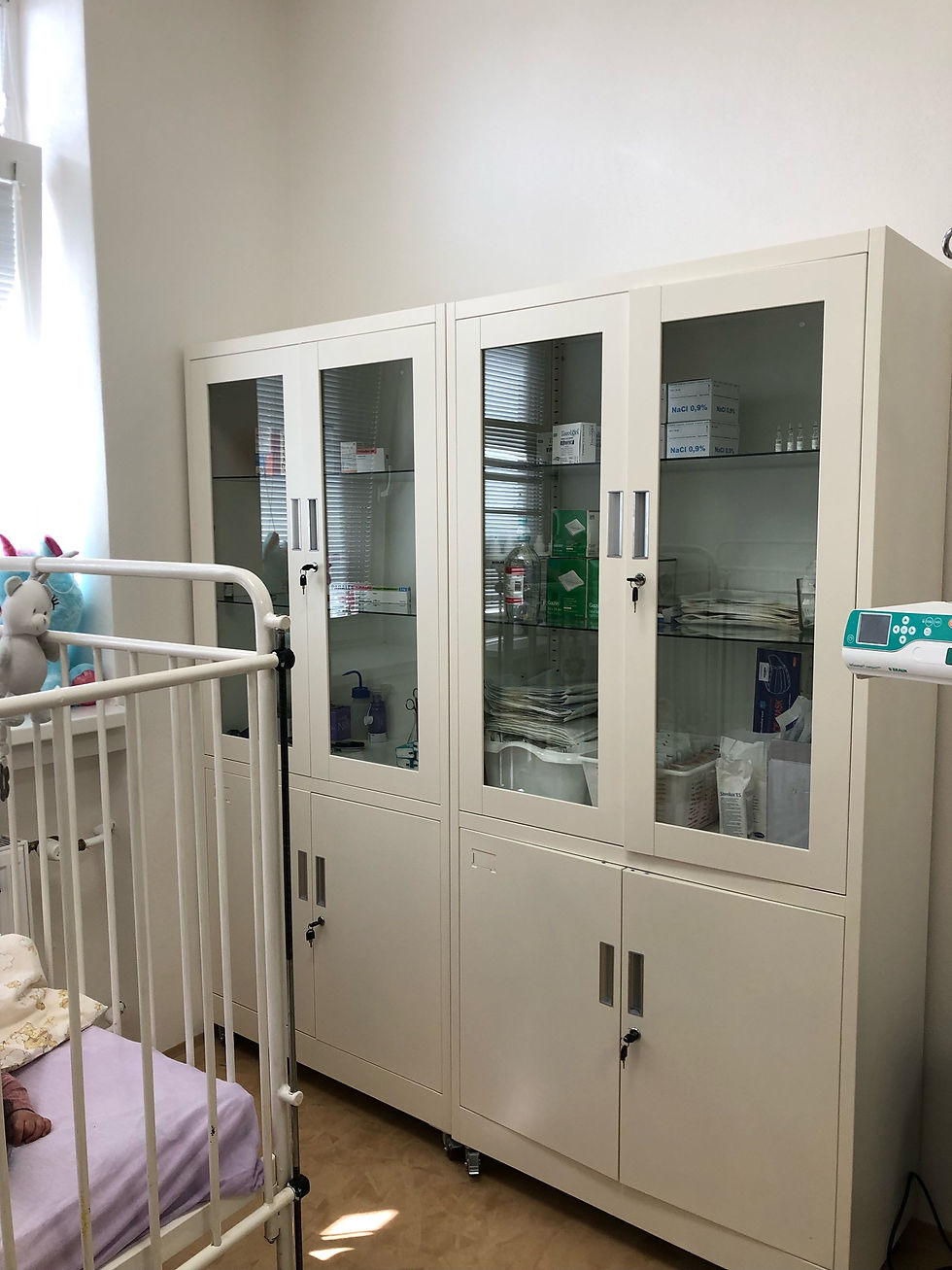
A full-time live-in facility for mentally and physically ill children, including those in hospice, needed an isolation room. A room in disrepair was converted into a space for the most severely ill children and hospice patients.
See Photos


Bathroom Facilities
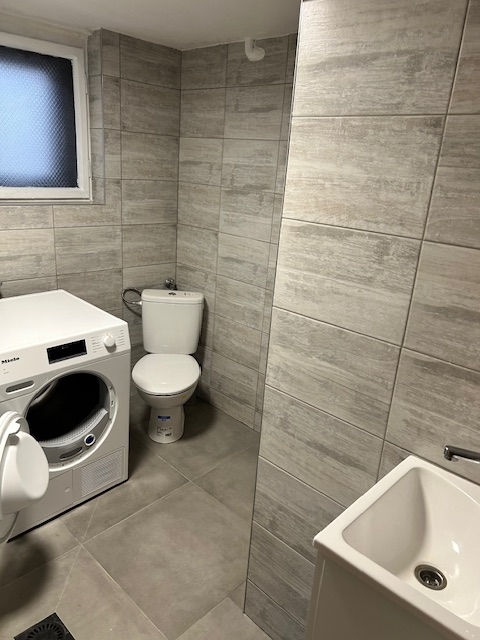
In the U.S. and around the world, millions of people still lack basic hygiene resources and access to proper sanitation.
This project took place in a town of 3,500 residents, where more than half of the families lacked bathroom facilities.
See Photos


Emergency Relief Projects
In addition to its long-term development projects, One By One also provides rapid emergency relief to disadvantaged communities in times of crisis.
This was demonstrated when two separate Roma villages faced sudden disasters. In one case, an apartment building caught fire; in the other, the third floor of a building collapsed onto the second floor.
In both incidents, more than 80 residents were displaced. One By One responded quickly by providing food, medicine, and temporary housing.
See Photos


Projects created and managed to completion by Scott and Kelly Kozak during their 18-month humanitarian mission on behalf of The Church of Jesus Christ of Latter-day Saints.

© 2026 One by One
All Rights Reserved
Quick Links
Contact
